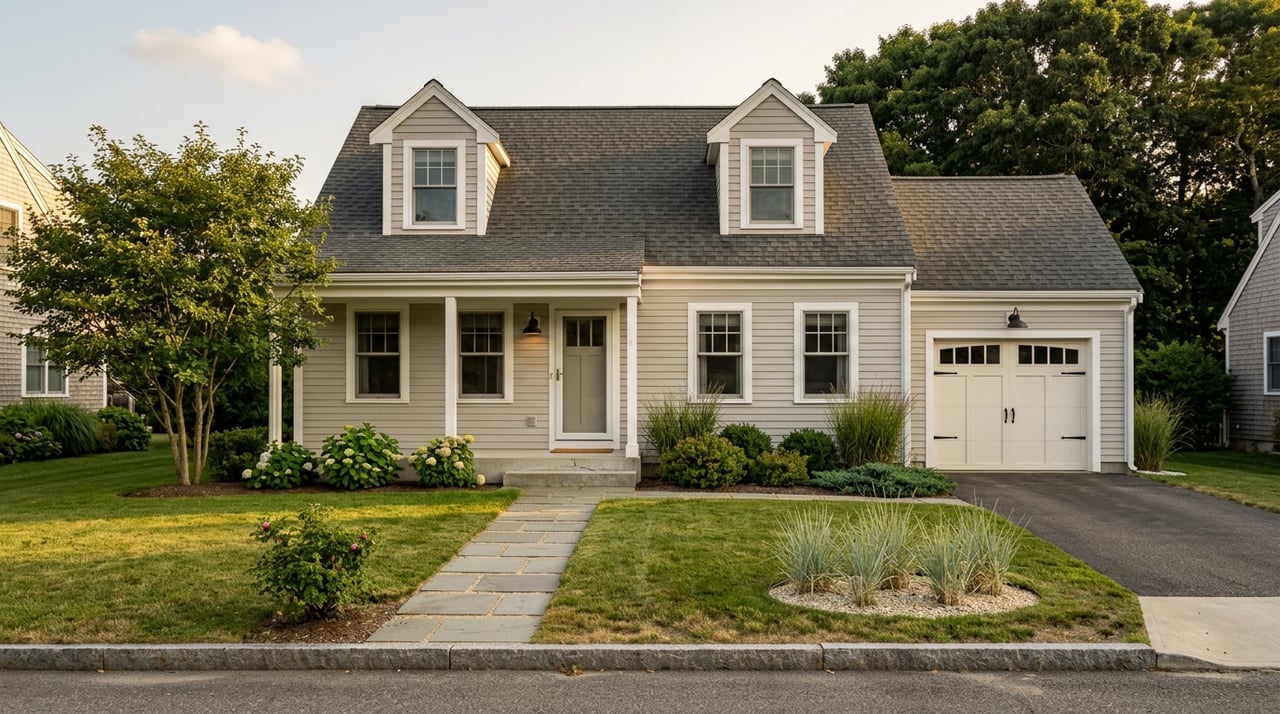
What does coastal living actually feel like when you are not on vacation? In Scarborough, it looks less like a resort postcard and more like a practical, day-to-day mix of beaches, trails, neighborhoods, errands, and commuting. If you are thinking about living in 04074 or simply want a clearer picture of the lifestyle, this guide will walk you through what everyday coastal living in Scarborough really means. Let’s dive in.
Scarborough has a coastal-suburban feel
Scarborough is a largely residential coastal town about 7 miles south of the Portland metro area. The town spans more than 50 square miles and includes farmland, marsh, coastline, neighborhoods, and forest. That mix gives you a coastal setting with more room to spread out than you would find in a denser downtown community.
Scarborough also has a 2025 population estimate of 24,547, with 9,972 households and an average household size of 2.29. The owner-occupancy rate is 77.4%, which supports the sense that this is an established residential town rather than a seasonal destination. If you are looking for a place that balances local character with everyday livability, that matters.
The town is divided into 13 neighborhood areas, and daily life often feels shaped by where in town you live. Some routines may center on the coast, while others revolve around inland neighborhoods, local roads, and newer development areas. That variety is part of what makes Scarborough appealing to different types of buyers.
Everyday life is still car-centered
Scarborough has clear coastal charm, but it is not a compact, walk-everywhere town. Local planning materials note that the town’s size, water bodies, winter climate, and development pattern make some areas less walkable. Many residents do not live within walking distance of village centers, so driving remains part of daily life for most households.
US Route 1 runs through the heart of Scarborough and carries about 30,000 vehicles per day. That corridor plays a big role in commuting, shopping, appointments, and everyday errands. If you move here, your routine will likely include regular use of Route 1 and other major connectors.
The good news is that commuting is still manageable for many residents. The Census reports a mean travel time to work of 19.4 minutes for workers age 16 and older. That helps explain why Scarborough works well for people who want coastal access while staying connected to Portland, South Portland, Saco, and other nearby destinations.
The coast shapes your routine
Scarborough’s coastline is a real part of everyday life here. The town has four beaches: Higgins Beach, Pine Point, Ferry Beach, and Scarborough Beach State Park. Each offers a slightly different experience, which gives residents options depending on the season, the weather, and how they like to spend time outside.
Beach access in Scarborough is practical as much as scenic. For the 2026 season, the town beach parking season runs from May 22 through September 7. Resident season passes are $40, daily parking is $20 per vehicle, and walking, biking, and drop-off access are free.
That means beach living here comes with some planning. You may be checking parking rules, timing a visit around crowds, or choosing whether to walk or bike instead of driving. It is part of the local rhythm, especially during the summer months.
What each beach feels like
Higgins Beach sits in a residential neighborhood and has town-operated parking and facilities. It is open dawn to dusk, has restrooms and showers, and does not have lifeguards. For many people, it feels like a neighborhood beach with a strong local presence.
Ferry Beach runs along the Scarborough River channel and is known for calmer waves and shallower water at low tide. The town maintains the beach and parking lot, and there is also a municipal boat launch. That gives it a more everyday, local-use feel.
Pine Point Beach is a long sandy stretch on Saco Bay extending from the jetty to Old Orchard Beach. The town rakes the beach weekly during summer months, and beach hours run from sunrise to sunset. It is one of the clearest examples of how Scarborough blends coastal access with practical town management.
Scarborough Beach State Park is a major regional destination. The state park guide notes 285 on-site parking spaces and 250 off-site spaces, and weekends often fill early. The season runs from April through October, and state park passes are not valid there.
Trails add to daily quality of life
Scarborough’s outdoor lifestyle is not just about the beach. The town’s public trail system includes the Eastern Trail, Pleasant Hill Preserve, Sewell Woods, Libby River Farm, Broadturn Farm, Fuller Farm, Springbrook Park, Warren Woods, Willey Recreation Area, Memorial Park, Peterson Field Sports Complex, and Scarborough River Wildlife Sanctuary. These spaces give you many ways to get outside without needing a full beach day.
The town says these trails are managed in partnership with the Scarborough Land Trust. The Land Trust has protected more than 1,500 acres with a focus on open space, water quality, wildlife habitat, and public access. That helps preserve the natural side of Scarborough even as the town grows.
For everyday living, this matters in simple ways. You may have easier access to a trail walk, marsh views, or preserved open space as part of your normal week. In Scarborough, outdoor living is often woven into your routine instead of being limited to weekends.
The Eastern Trail is part of the infrastructure
The Eastern Trail stands out because it functions as more than a recreational amenity. It is a major multi-use greenway in southern Maine, and work continues on remaining gaps, including the 1.6-mile Scarborough-to-South Portland connection. That makes trail access part of the town’s broader living infrastructure.
As Scarborough grows, these connections matter more. They give residents additional options for walking, biking, and connecting between areas of town and nearby communities. In a place where driving is still the norm, that added flexibility is meaningful.
Weather and seasons really matter
Scarborough’s coastal setting brings four distinct seasons, and they shape daily life more than many buyers expect. NOAA climate normals for nearby Portland International Jetport show an annual mean temperature of 47.5°F, annual precipitation of 48.12 inches, and annual snowfall of 68.7 inches. July and August average in the high 70s, while January averages 24.0°F.
In practical terms, summer is active, beach-focused, and often busier near the shore. Winter is quieter, snowier, and more road-aware. If you are considering a move here, it helps to think about how you want to live not just in July, but also in January.
Local planning materials note that winter climate is one reason some areas are less walkable. That reinforces an important point about Scarborough: the setting is beautiful, but everyday convenience can change with the season. A route that feels easy in summer may feel different during snow and ice.
Coastal living here includes resiliency
Living near the water in Scarborough also means paying attention to infrastructure, tides, and storm conditions. The town notes that Pine Point Road is the primary access point to the largest beach community and serves as the primary evacuation route for roughly 900 properties in Pine Point. That gives coastal access real day-to-day importance.
Route 1 and Pine Point Road are being studied for resiliency because they periodically flood during high tides and storms. The town also identifies Scarborough Marsh as a sensitive environmental area, which shapes how transportation improvements can happen. In other words, coastal living here includes both scenic access and practical awareness.
Scarborough Marsh is Maine’s largest salt marsh, and it plays a big role in the town’s identity. It influences views, conservation, transportation planning, and long-term development choices. If you are buying in Scarborough, understanding that connection can help you better understand the town itself.
Growth is shaping the next chapter
One of the biggest changes in Scarborough is The Downs, the town’s largest single development project. It is being positioned as a downtown center in the geographic middle of Scarborough. Over time, that could affect how residents think about errands, gathering places, and neighborhood identity.
For buyers, this is worth watching because it reflects a broader shift. Scarborough is trying to create more connected places within a town that has historically felt spread out. That may appeal if you want coastal living with growing access to services, housing options, and community amenities.
This is also where local guidance can make a real difference. In a market with established neighborhoods, coastal areas, condos, townhomes, and new construction opportunities, the right fit often comes down to how you want your everyday life to work.
What Scarborough living may suit best
Scarborough can be a strong fit if you want a residential coastal town with access to beaches, open space, and nearby employment centers. It may also appeal if you want choices, from traditional neighborhoods to newer development options and lower-maintenance homes. The town’s size creates variety, which is useful if your needs are changing.
It may be especially worth a closer look if you are relocating to Southern Maine, moving up within the Portland area, or downsizing while staying close to the coast. The key is understanding that coastal living here is not one single experience. It depends on location, season, road access, and the kind of routine you want to build.
If you are trying to figure out which part of Scarborough best matches your lifestyle, having a local perspective helps. The details matter, from commute patterns and trail access to beach routines and housing type.
If you are thinking about buying or selling in Scarborough, The Scoville Foley Team can help you make sense of the local market and find the right fit for the way you want to live.
FAQs
What is everyday life like in Scarborough, Maine?
- Everyday life in Scarborough is a mix of residential neighborhoods, coastal access, driving-based routines, trails, and seasonal changes, with Portland-area commuting still relatively manageable.
How many beaches are in Scarborough, Maine?
- Scarborough has four beaches: Higgins Beach, Pine Point, Ferry Beach, and Scarborough Beach State Park.
Is Scarborough, Maine walkable for daily errands?
- Scarborough has some walking and trail connections, but many areas are not within walking distance of village centers, so most daily routines still depend on driving.
What outdoor options are available beyond Scarborough beaches?
- In addition to beaches, Scarborough offers a broad trail system, preserves, parks, marsh access, and conservation land managed with support from the Scarborough Land Trust.
How does weather affect coastal living in Scarborough, Maine?
- Weather plays a big role in Scarborough, with active summers, snowy winters, seasonal beach parking patterns, and periodic flooding concerns along some coastal access roads during high tides and storms.
Why are more buyers paying attention to The Downs in Scarborough?
- The Downs is being developed as a central downtown-style area in Scarborough, which could shape future errands, gathering spaces, and housing choices within town.